 Trending Tool 2025
The Growing Importance of
Real-Time Currency Data
in a Connected Economy
As global transactions become increasingly routine, the tools we
use to understand exchange rates are evolving
Summary: Tools like xChanger allow users to convert between a wide range of global
currencies using live exchange rate data. Such platforms focus on speed, accuracy, and ease of use for travelers, traders, and individuals dealing with foreign currencies, offering a practical way to access current market rates.
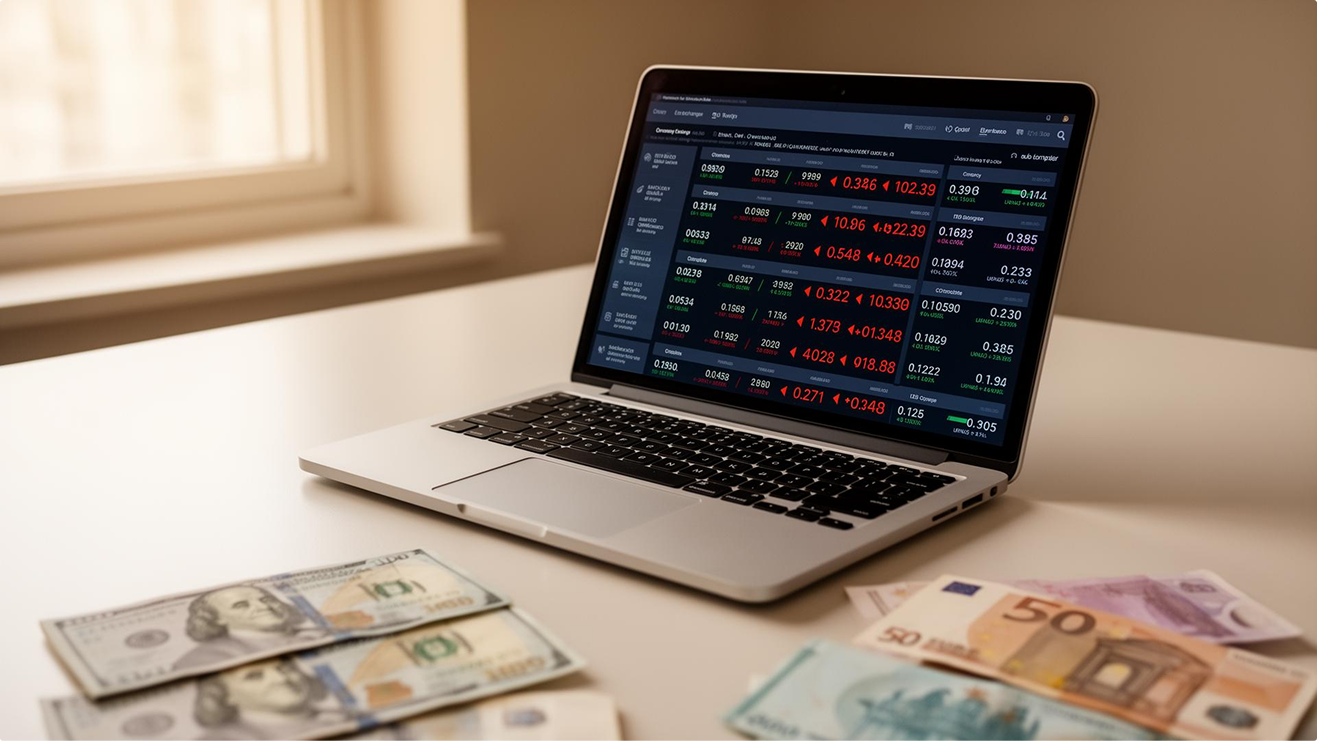
In an increasingly interconnected global economy, understanding currency exchange converter has never been more relevant to daily life. Whether purchasing goods from international retailers, planning travel abroad, or managing business transactions across borders, exchange converter quietly influence countless financial decisions.
Yet the forex market never sleeps. Rates fluctuate continuously—sometimes dramatically within hours—based on economic indicators, geopolitical events, and market sentiment. For individuals and businesses alike, accessing timely, accurate exchange converter information has shifted from a convenience to a necessity.
How Real-Time Exchange Rates Actually Work
The foreign exchange market represents the largest financial market in the world, with daily trading volumes exceeding $6 trillion. Unlike stock exchanges with set hours, currency trading occurs continuously across global financial centers from Sydney to New York.
Exchange rates between currency pairs are determined by supply and demand dynamics. When more traders want to buy a particular currency, its value rises relative to others. These movements can be subtle—fractions of a cent over hours—or dramatic during major economic announcements.
Traditional currency conversion tools often relied on daily fixed rates, updated once every 24 hours. While sufficient for casual reference, these static rates could leave users unaware of significant intraday movements. A rate checked in the morning might no longer reflect market reality by afternoon.
The Problem with Outdated Conversion Tools
Many commonly available currency converters suffer from a fundamental limitation: they display rates that lag behind actual market conditions. This delay can range from hours to days, depending on the data source and update frequency.
Beyond individual transactions, outdated tools create a broader awareness gap. Users may develop expectations based on stale rates, only to discover different figures when actually executing exchanges through banks or payment processors.